Septic Tank vs Sewage Treatment Plant: Which Do You Have?
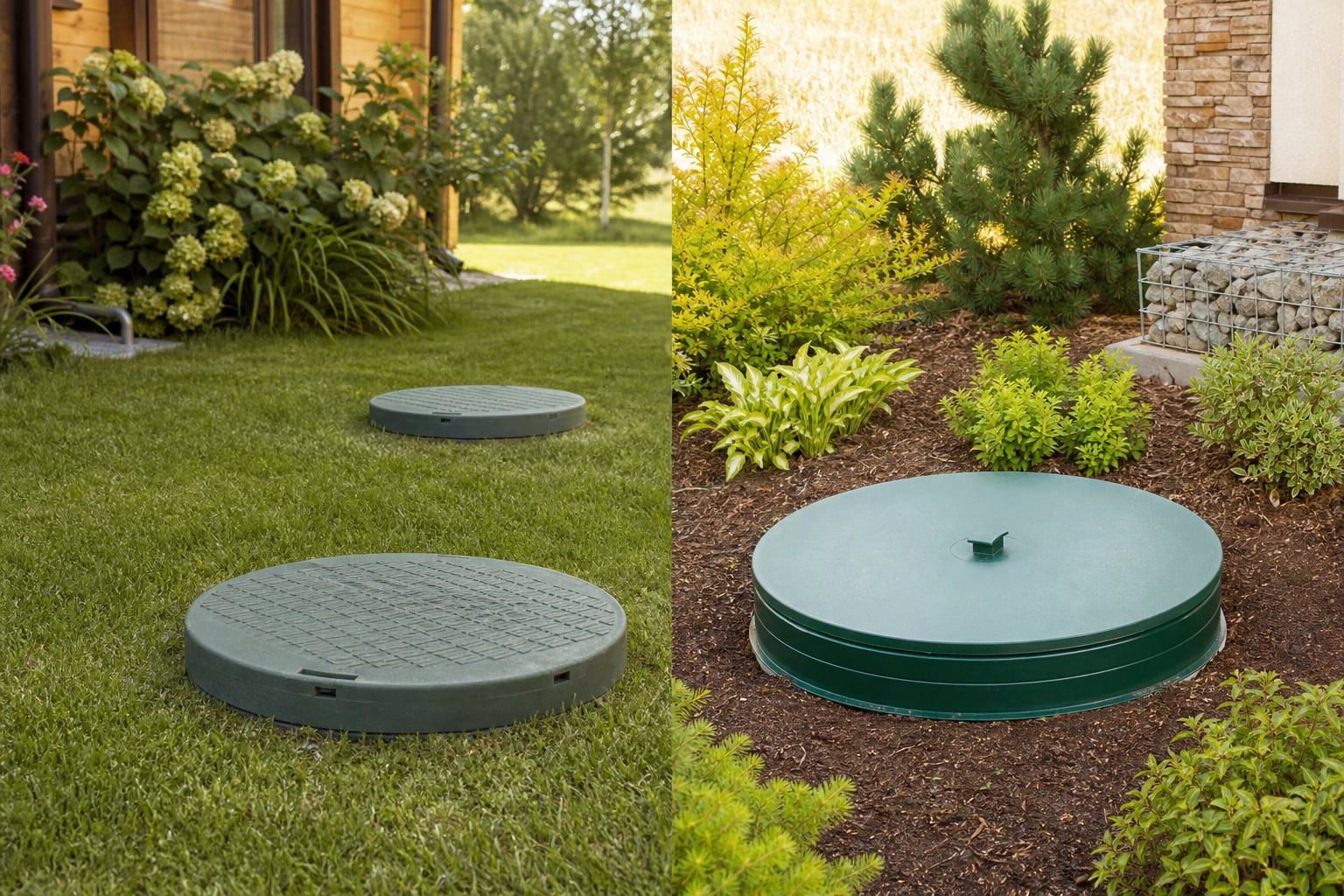
Many West Norfolk properties still sit beyond the public sewer. Knowing whether you have a traditional septic tank or a modern package treatment plant changes how you maintain it — and what a buyer or solicitor will ask to see.
Septic tanks in brief
A septic tank settles solids and sends partially treated effluent to a drainage field or soakaway. It relies heavily on the field performing well. Emptying intervals matter, and wet patches above the field are a common warning sign after wet winters.
Treatment plants in brief
A sewage treatment plant uses mechanical aeration (often a blower) to treat wastewater more thoroughly before discharge. You will usually hear a soft hum when it is healthy. Alarms, failed blowers, and skipped services are the typical failure modes.
Why the distinction matters
- Surveys: A septic tank survey looks carefully at tank condition and field clues. A plant-focused visit also covers electrics and air supply.
- Servicing: Plants need mechanical care; tanks need emptying discipline and field health checks.
- Sales: Solicitors increasingly expect clear private drainage information. Plain written findings help both sides.
Not sure which you have?
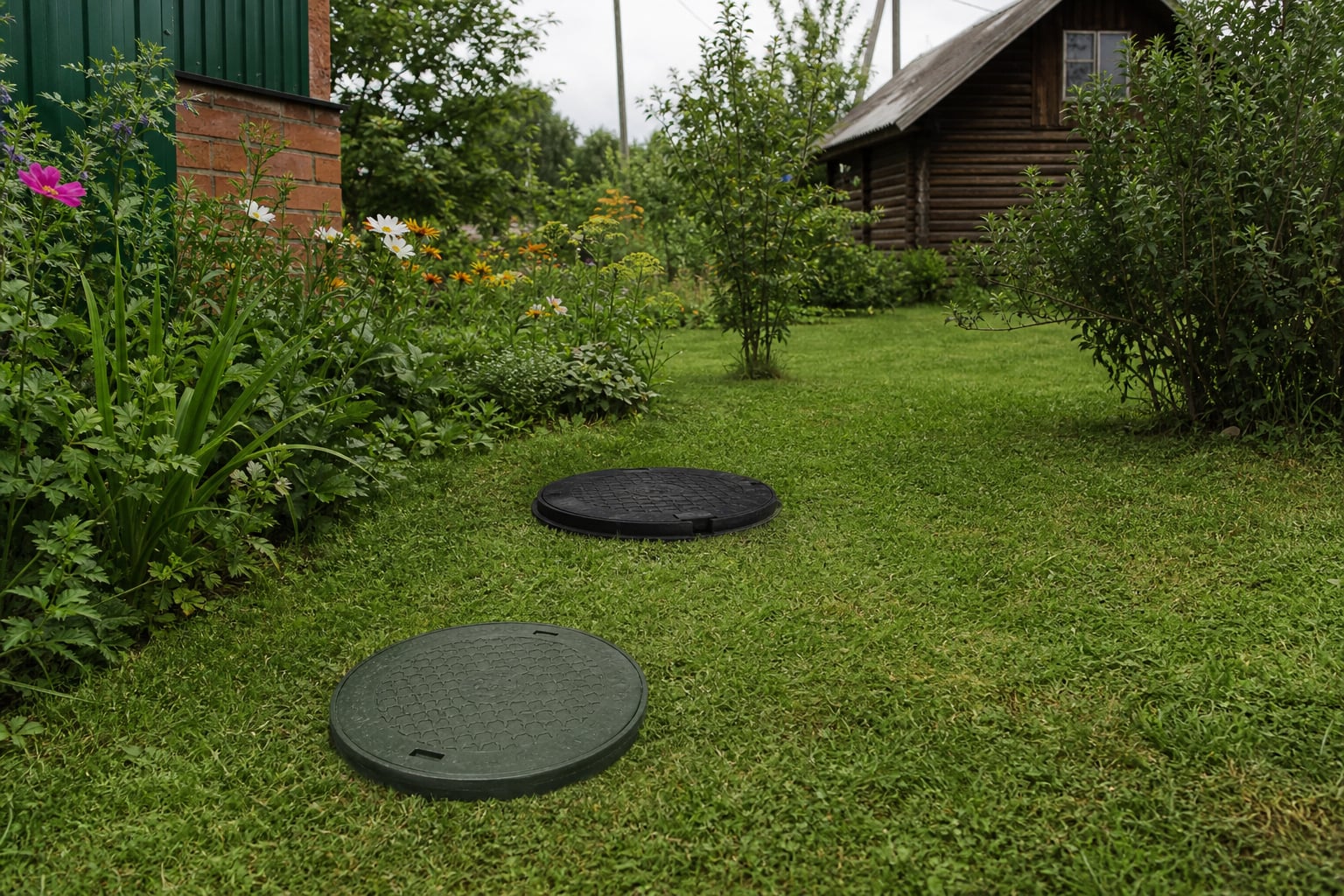
Look for a control panel or blower housing near the lids — that usually means a treatment plant. Only a settlement tank with no electrics often means a septic system. When lids are buried or paperwork is missing, we can identify the arrangement on a visit.
If you are buying or selling around King’s Lynn or the wider West Norfolk patch, arrange a septic survey and we will document what is actually on site.